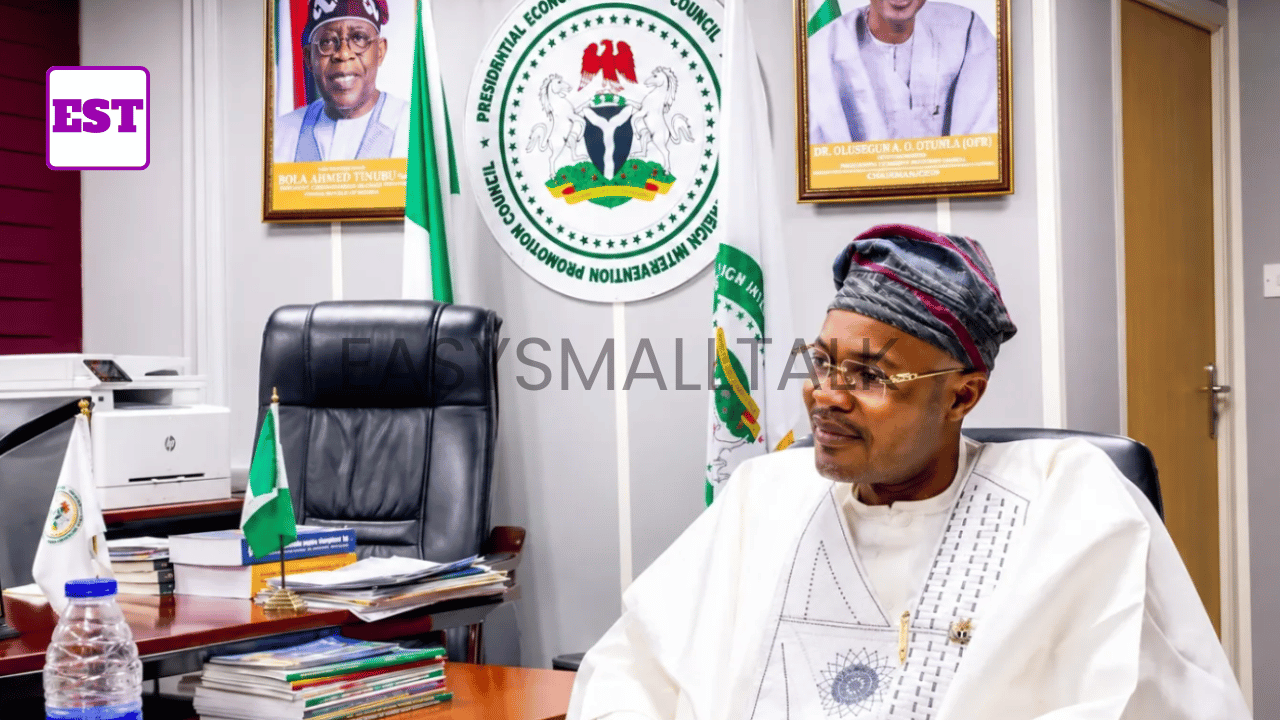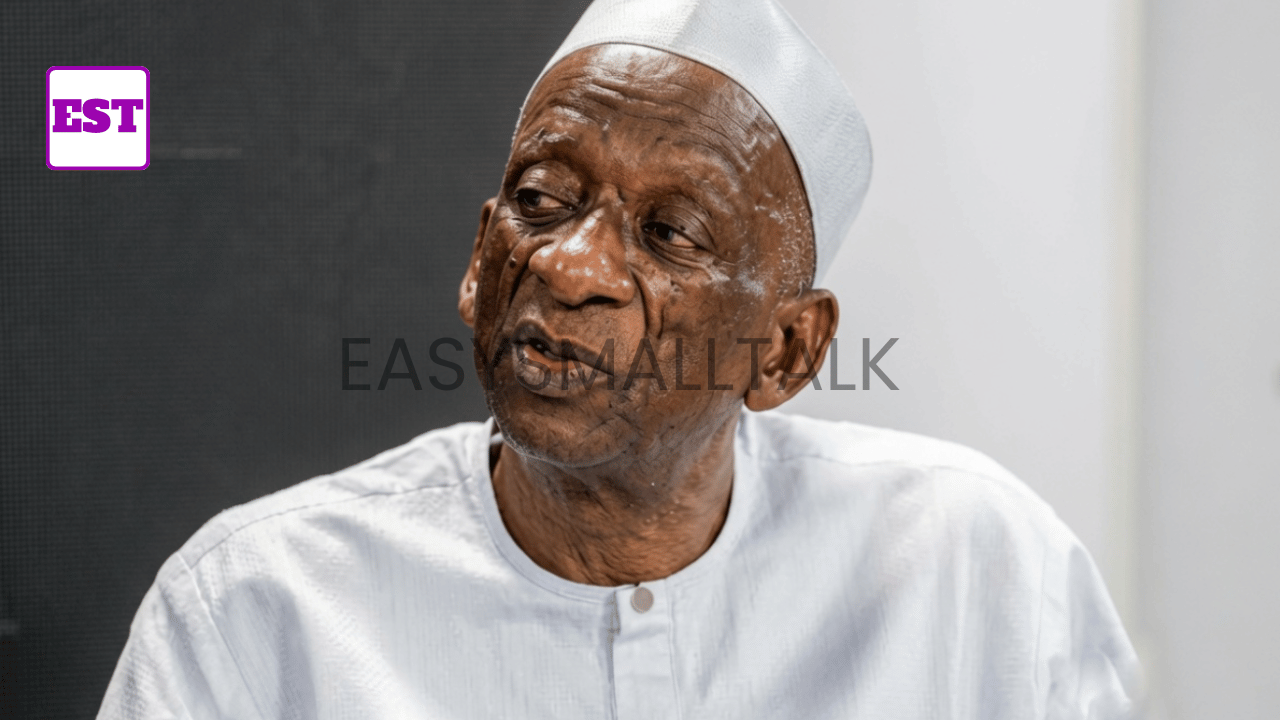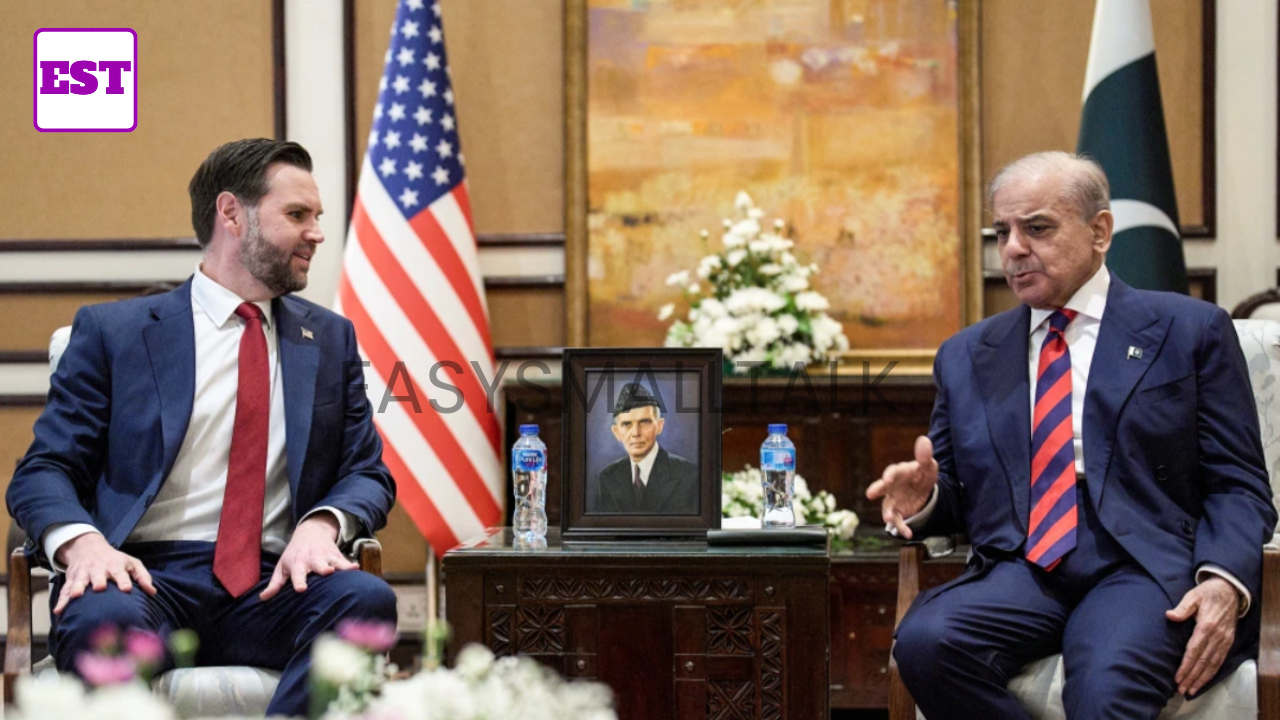
The US-Iran war has become one of the biggest deals affecting the world, and this is the reason for the Iran Peace deal.
The Iran peace deal is almost done, but the man who needed to sign said he is not in a rush to sign the agreement.
You will get to know why by the end of your read here.
What Negotiators Have Actually Agreed On
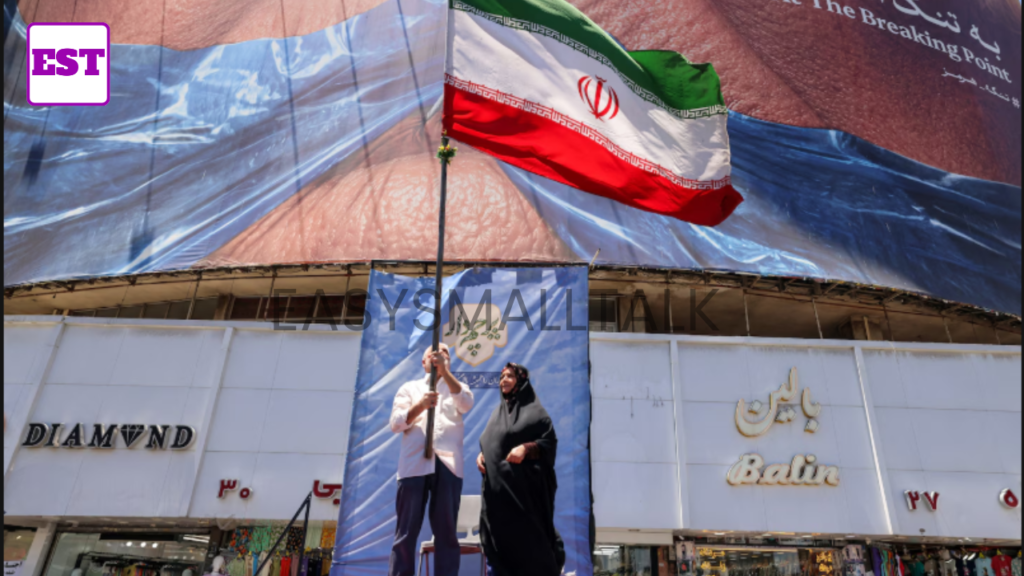
There are four major things the negotiators agreed on in a memorandum of understanding (MOU). These are:
1. 60-day extension of the ceasefire
There has been a ceasefire since April after the inception of the US-Iran war in 2026; however, the negotiators agreed to extend the ceasefire for 60 days.
This will enhance more time for calmness to negotiate bigger issues without any threat of a fresh war. The essence is that neither country wants to be seen as weak, so they both need more time to build trust.
2. Reopening of the Strait of Hormuz
The Iran peace deal also entails the reopening of the Strait of Hormuz. This has caused great harm to the economy of the world which has led to an increase in the cost of things.
The Strait of Hormuz is one of the biggest passages of oil in the world where over 21% of global oil pass through it.
During the US Iran war, Iran threatens to close it which led to increase in the price of fuel globally. It’s not just used to transport fuel, however it’s also used to transport fertilizers for farmer.
Reopening of the Strait of Hormuz will eventually favor both sides as the US will have a stable economy with low price of oil and Iran will be able to engage in revenue generation through global exports of oil.

3. Start of Formal Nuclear Negotiations
The Iran Peace deal in 2026 entails a 60-day ceasefire extension to discuss how Iran could control their nuclear programs, most especially on their large accumulation of enriched uranium.
This is one of the reasons why the US war against Iran. So, elimination of Iran nuclear programs will lead to lifting of heavy sanctions on Iran which this favors both parties.
4. Economic Measures
This peace deal also helps to manage the economic pressure Iran are suffering. The US gave the offer to release Iran frozen assets worth $25 billion thereby giving a limited relief to the economy of Iran. The essence of this to help US solve the matter with high diplomacy if there is compliance to the ceasefire and nuclear programs.
Why Trump Has Not Signed It Yet
Trump said on his TRUTH social media that negotiators should “not rush” and that “time is on our side”. Regardless of the effort made over the Iran Peace deal, it will still require the signature of Trump to give consent to it. However, these are the three major reasons why Trump has not signed it.
- Republican Pushback
- Ongoing Strikes
- Trump’s own style of dragging out deals for maximum leverage
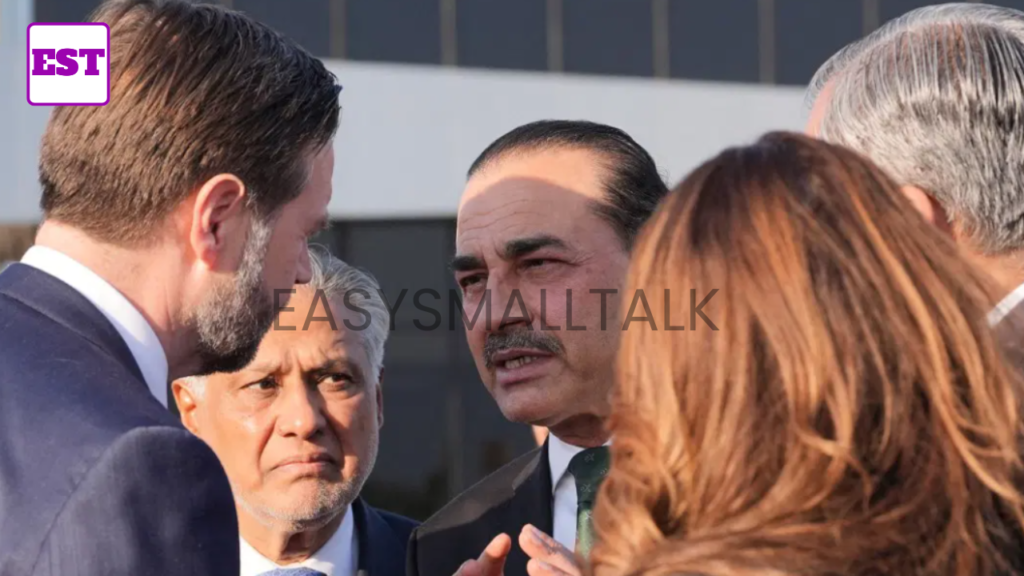
On the leverage aspect, trump even posted on TRUTH social media that “it should be mandatory that all of these Countries, at a minimum, simultaneously, sign onto the Abraham Accords.
The essence of this is to diplomatically bring Israeli into the game of the negotiation by naming other countries.
What Happens If the Iran Peace Deal Is Signed
The US Iran war has caused more global tension and harm than expected. May 28, 2026, makes three months since 168 children and 14 teachers were killed after the attack against Iran caused by the US soldiers in February.
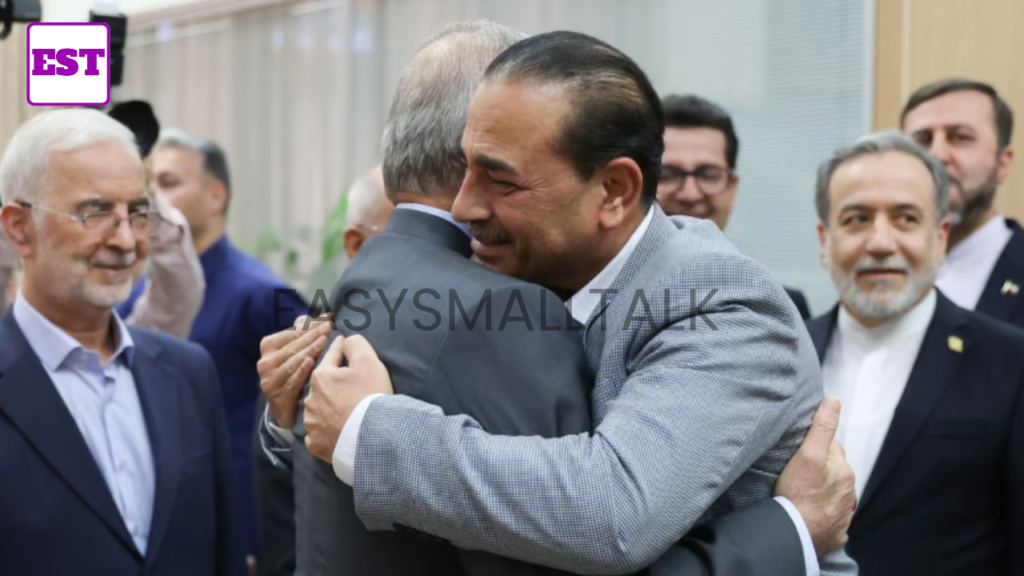
If this Iran Peace deal is signed, it boosts the economy globally, which leads to a reduction in the price of things, most importantly, oil prices, and reduces Iran’s nuclear programs of Iran.
In conclusion, the negotiation has been done; however, Trump is being diplomatic so as not to be seen as a weak person in signing the deal.
We would love to hear from you in the comments section. Did you think Trump was going to sign the deal, or is more war coming?