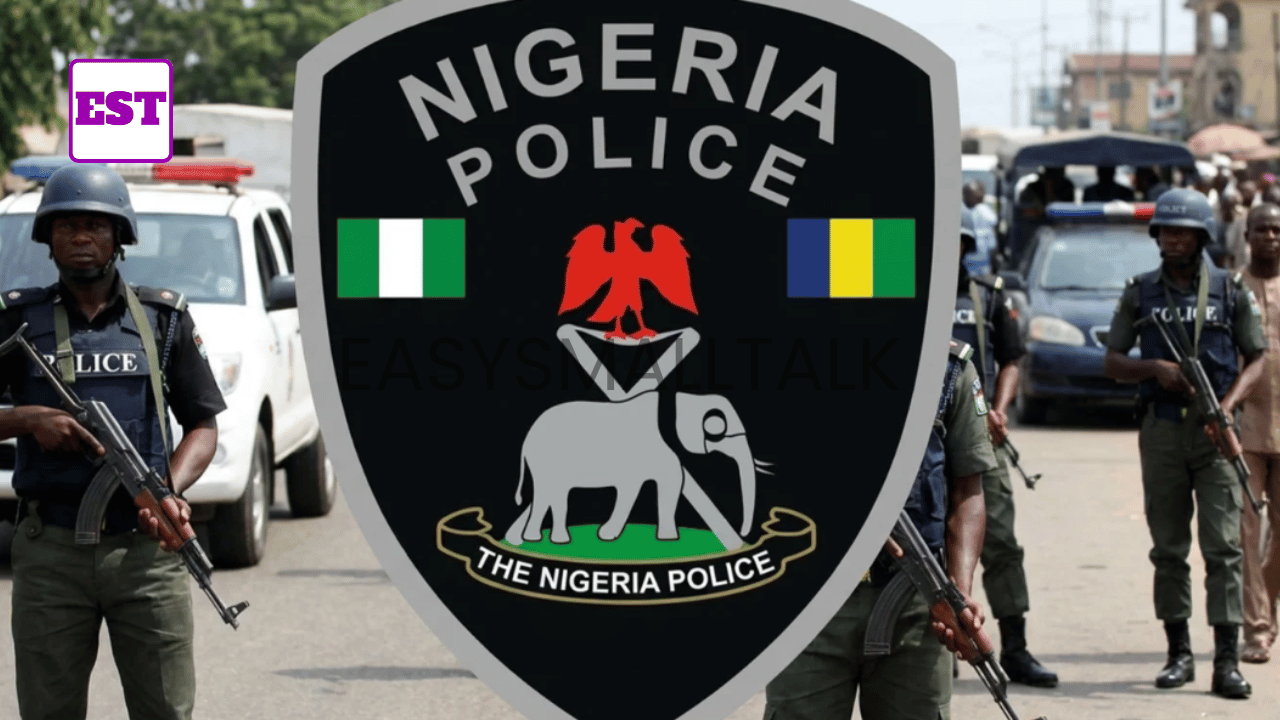
Currently, Nigeria has only one police force which is the Nigeria Police Force (NPF) which triggered the Nigeria State Police Bill. The Nigeria Police Force is controlled entirely by the federal government in Abuja.
This means even if there’s a problem in a remote village in Plateau State or anywhere else, the command and decisions often come from far away. This system has been blamed for slow responses to insecurity like banditry, kidnapping, and farmer-herder clashes.
The Nigeria State Police Bill allows each of Nigeria’s 36 states to create and run its own state police force.
The voting system for the proposed Nigeria State police bill was done on Wednesday, June 24, 2026. The electronic voting system crashed and for over 30 minutes, Nigeria’s senators sat in the chamber while technical engineers scrambled to fix the portal.
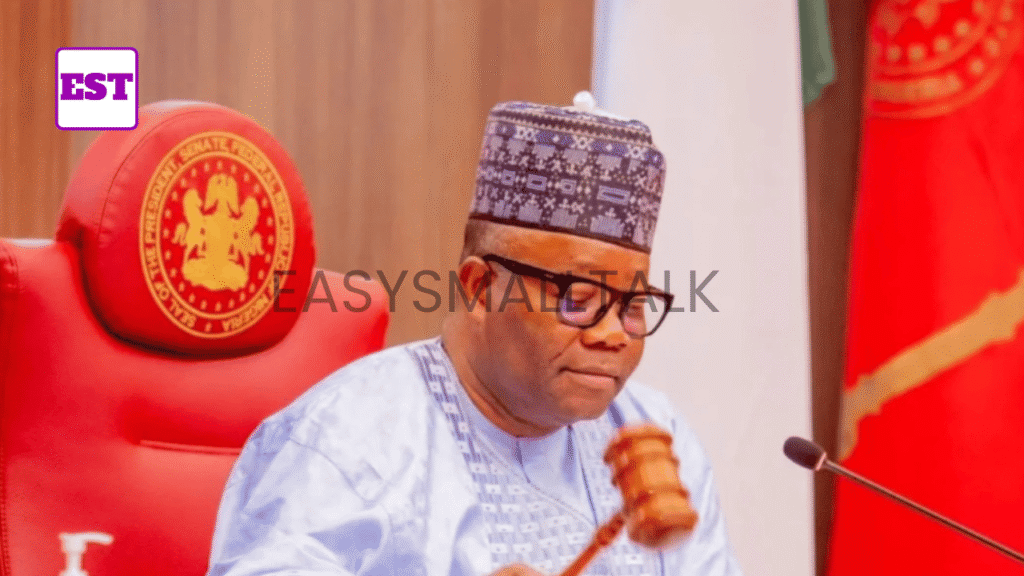
Then Senate Leader Opeyemi Bamidele stood up and moved a motion to vote manually by hand. Every senator raised their hand in public view so that the whole country could see who stood where on a bill that has been debated since 1999. 87 hands went up in support of the bill and the bill passed. As a result of the Nigeria State police bill, Nigeria’s policing will never be the same again.
What the Senate Passed and What It Will Actually Mean for Your State
The Senate passed a landmark constitutional amendment bill of Nigeria state police bill which means establishing state police across the 36 states of the federation.
This officially dismantles the decades-old unitary structure of the Nigeria Police Force and replacing it with a dual model comprising the Federal Police Service and State Police Services. The bill was passed after more than two-thirds of senators voted in support through a manual voting process after the chamber’s electronic voting system crashed for over 30 minutes which forced lawmakers to adopt a show of hands.
Under Clause 17 of the proposed constitutional amendment, each State Police Service shall be headed by a Commissioner of Police of the State appointed by the Governor of the State on the recommendation of the National Police Council.
This is subject to confirmation by the House of Assembly of the State and the qualifications and national minimum standards will be prescribed by an Act of the National Assembly.
No existing local security outfit shall be transformed into a State Police Service or exercise policing powers. The provision also prohibits such outfits from bearing firearms. This explicitly prevents Amotekun in the South-West, Ebube Agu in the South-East and Hisbah in parts of the North from automatically becoming state police or bearing firearms.
How Will the New Nigeria State Police System Actually Work
Nigeria State police would be responsible only for enforcing state laws, maintaining public safety and public order, preventing and detecting crimes within their jurisdiction, protecting lives and property, and carrying out other local policing responsibilities.
While the federal police would be in charge of protecting federal institutions, counter-terrorism, organised crime, cybercrime, border security, arms trafficking, interstate criminal activities, and other national security matters.
The bill further outlines the operational relationship between governors and state police commands. Section 17 provides that a governor may issue lawful written directives of a general policy nature to the Commissioner of Police on matters relating to the maintenance of public safety and public order within the state.
Final Thoughts on Nigeria State Police System
Critics have consistently warned that powerful governors could deploy Nigeria state police to settle political scores, intimidate opponents and influence elections. These fears have often stalled previous attempts to amend the Constitution.

Nigeria has been debating the Nigeria state police since 1999 which is over 27 years. Children are being kidnapped from schools in Oyo, communities are being massacred in Plateau and bandits are doing cash giveaways on TikTok.
The bill has finally been passed at the Senate. But passing a bill and actually deploying trained Nigeria state police officers in communities like Kawel and Oriire are two very different things.
Do you think state police will make Nigeria safer or do you fear governors will use it against ordinary citizens? Tell us your honest view below. EasySmallTalk covers politics, entertainment, health, lifestyle, and world news every day. Explore more stories on EasySmallTalk