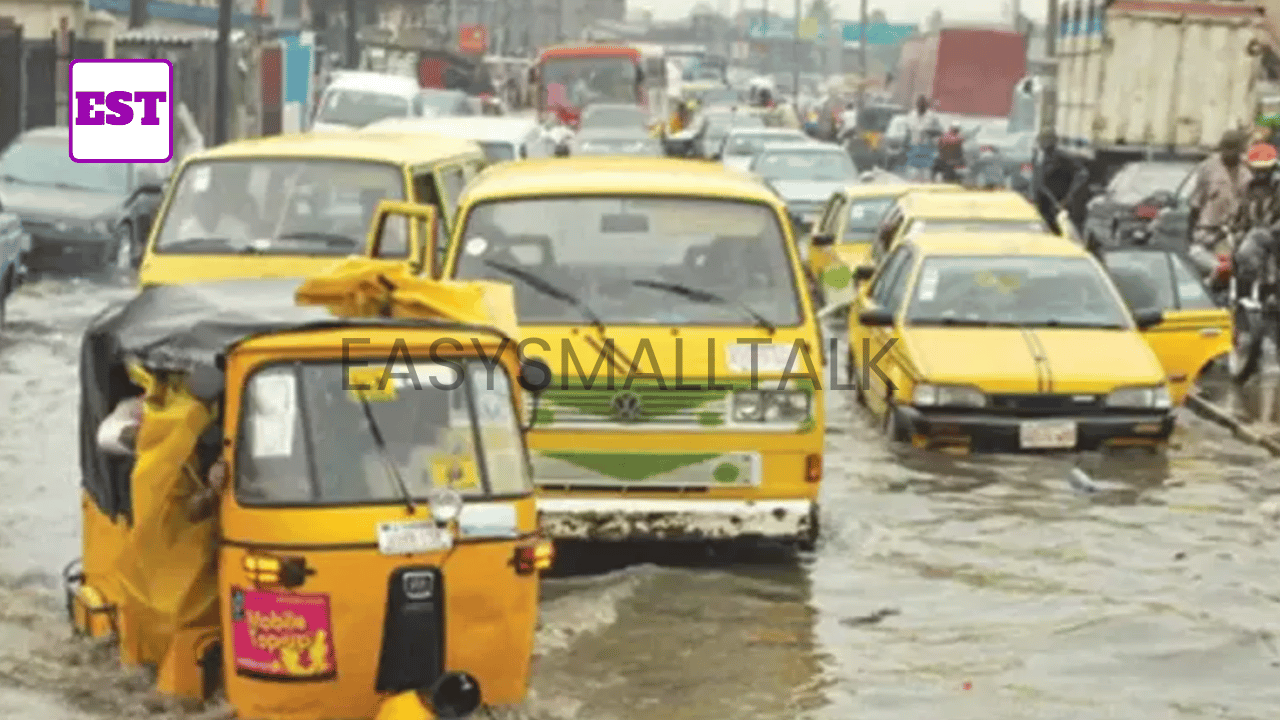
Lagos Flooding, Lagos State is known for major environmental disasters such as building collapses and flooding. There has been flooding in Lagos for the past two weeks.
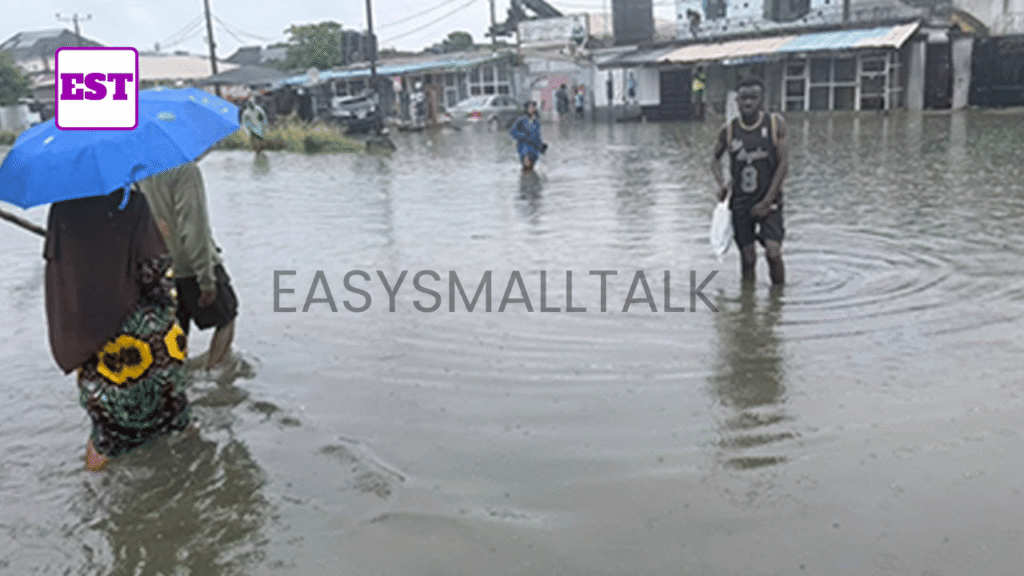
This has caused widespread disruption, submerging roads, homes, and communities, leading to traffic chaos, property damage, and significant public frustration. Lagos flooding caused severe traffic gridlocks, power outages, business interruptions, and restricted movement.
Two Weeks That Shut the City Down
The two weeks of heavy rainfall and flash flooding in late June 2026 have really disrupted Lagos which is Africa’s largest city. This has led to a major urban crisis. The flooding has paralyzed movement, submerged communities, and amplified long-standing frustrations over infrastructure.
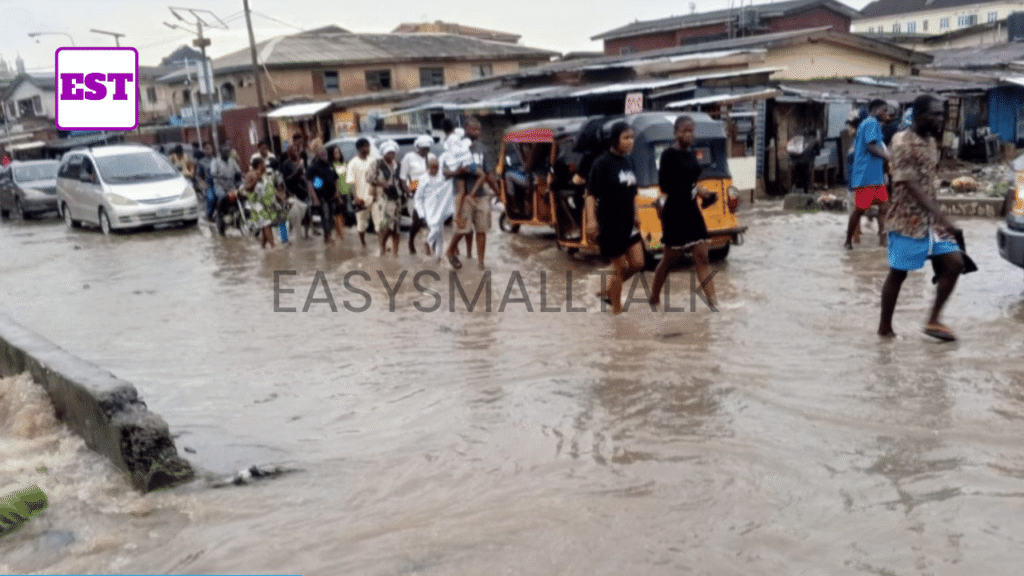
On Sunday, June 28, there was a heavy rain between noon and 3:00PM which flooded the Lagos-Ibadan Expressway, Ikorodu Road, Lagos-Abeokuta Expressway, Oshodi, Agege, Ikeja, Alimosho, Obalende and the Lekki-Epe Expressway.
It repeated the next day, June 29 from noon to 4:00PM and also extended to hitting Gbagada, Iyana Ipaja, Maryland, Mushin and Ogudu. This forced commuters to trek long distances after commercial transport operators suspended services due to the flooding.
The Nigerian Meteorological Agency (NiMet) then issued a fresh flash flood alert for June 30 and warning of continued thunderstorms across Lagos and eight other southern states.
The Government’s Response and the Public Backlash It Triggered
The Lagos State Government’s response to the late June 2026 Lagos flooding has been a mix of immediate operational actions and public appeals for calm, but it has triggered significant backlash from residents who see it as inadequate and repetitive.
Governor Babajide Sanwo-Olu approved the immediate dredging and maintenance of 28 additional primary drainage channels across the state. The government also urged residents to remain calm, avoid blocking drains, and not build in floodplains.
The government ordered the demolition of some illegal structures along the Lagos–Badagry Expressway where he blamed that the illegal structures to be obstructing waterways.
However, the public reacted to the statement of the governor as he said it’s is a FLASH flood. Someone on the X platform said over 20 different videos of flooded areas in different locations in Lagos have been seen and you’re still saying it’s flash flood.
The backlash includes demands for accountability while some accusing the government of prioritizing other projects over flood resilience and complaints that the effort of government is ineffective.
Why Lagos Keeps Flooding Every Rainy Season
The factors which majorly caused the Lagos flooding are topography, rainfall patterns, poor planning, inadequate drainage, waste management crisis, and enforcement challenges. Lagos is a coastal, low-lying megacity built on a lagoon system with many areas barely above sea level. Water from heavy rains has nowhere to drain quickly into the Atlantic or lagoons.
The continuous increase of the Lagos population has led to rapid construction of structures that are illegal without adequate stormwater which prevents water absorption.
Lagos also generates massive amounts of waste of which most of them ends up in drains and canals. This waste creates blockages that turn minor rains into flash floods. Government clean-ups are frequent but there is also struggle against daily dumping.
Final Thoughts on Lagos Flooding
Population density, more extreme weather, and cumulative neglect have intensified the impacts of Lagos flooding. This is a major reoccurring problem in Lagos state even thou Lagos is known for the best commercial state and home of media celebrities.
Does your area flood every rainy season too? Tell us where, and whether you think the government’s drainage plan will actually fix it.
EasySmallTalk covers politics, entertainment, health, lifestyle, and world news every day. Explore more stories on EasySmallTalk