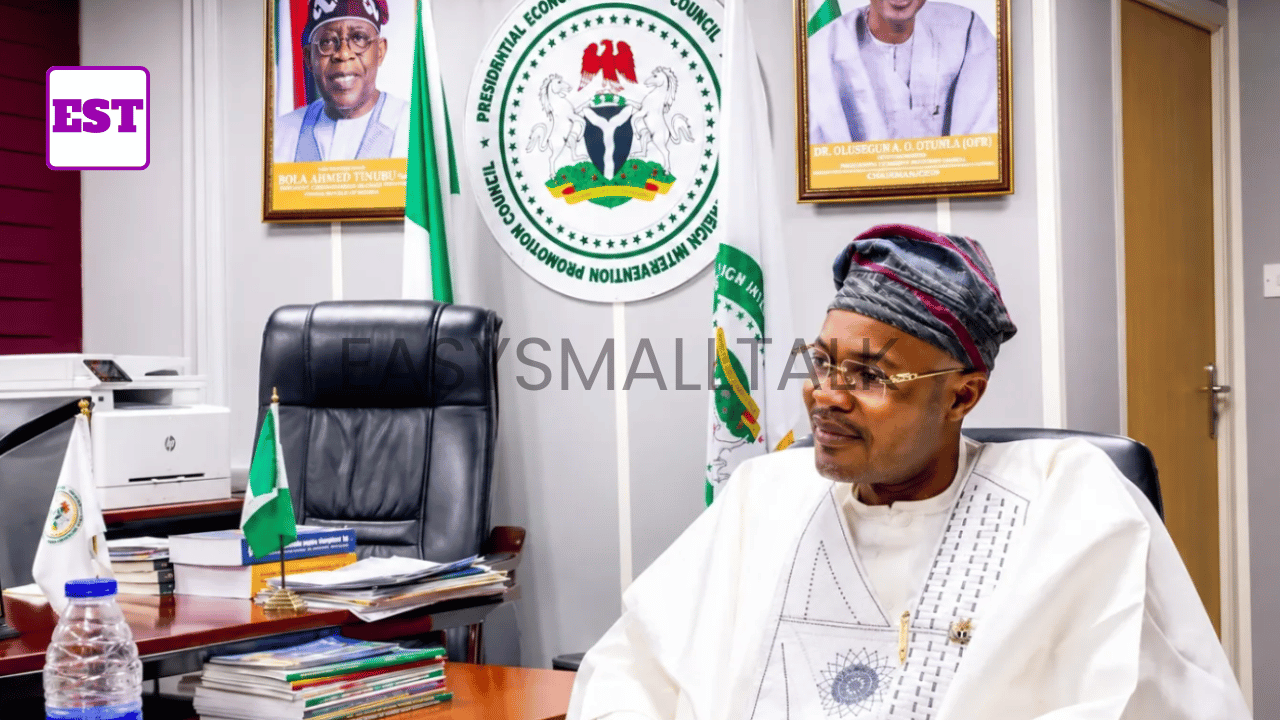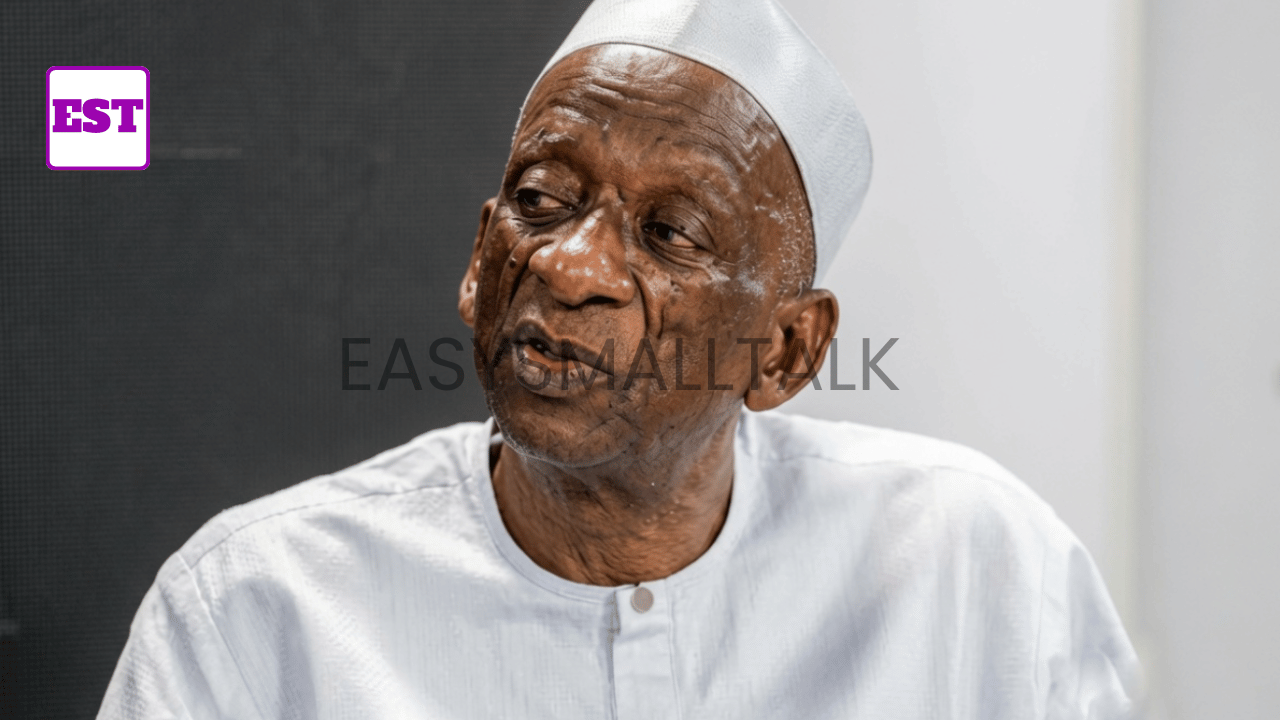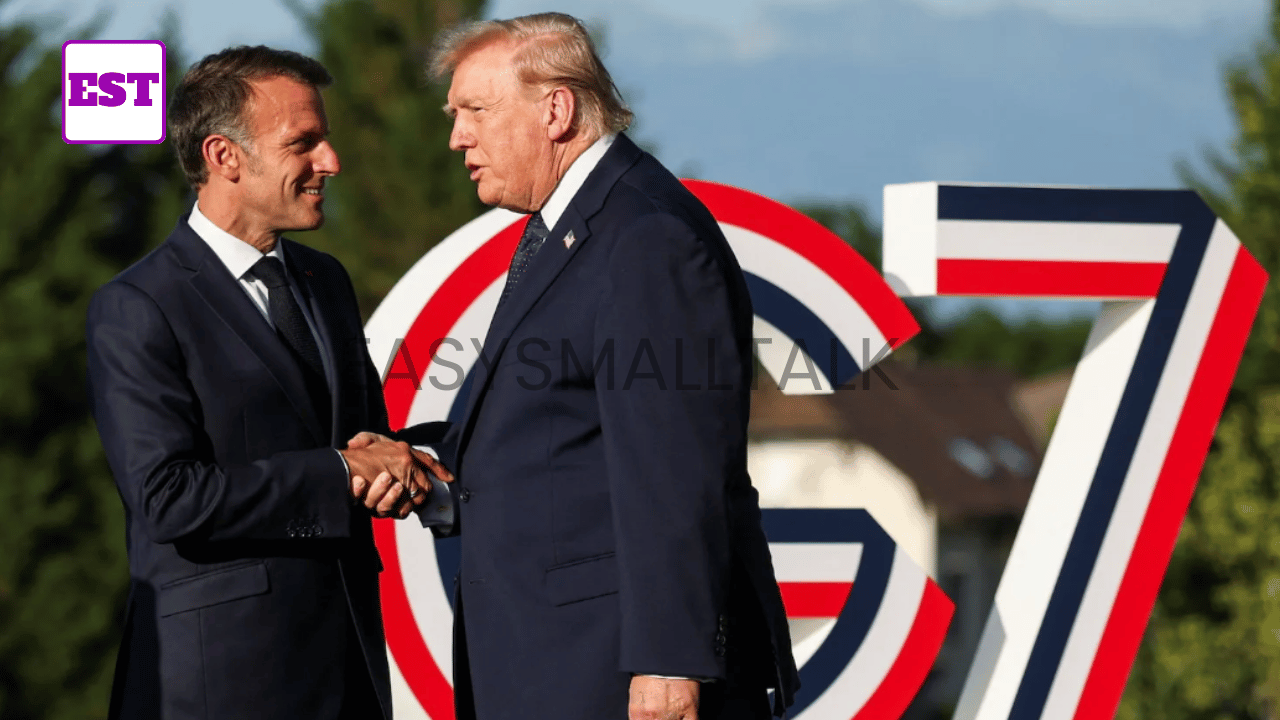
Finally, the Iran US peace deal will be signed. The Pakistani Field Marshal, Asim Munir on the phone all night long simultaneously talking to US Vice President in person of JD Vance, American special envoy whose name is Steve Witkoff, and Iranian Foreign Minister whose name is Abbas Araghchi.
These three conversations were happening at once across three time zones to end a war that has killed thousands, closed the world’s most important shipping lane and pushed global oil above $100 per barrel for nearly four months.
The United States and Iran have reached a preliminary framework agreement also known as Memorandum of Understanding (MOU) to end the active phase of the 2026 Iran War. This is not a final peace deal but a short-term agreement to lessen the pressure of the Iran US war 2026.
What Both Sides Actually Agreed to and What It Means for the World
Pakistani Prime Minister, Shehbaz Sharif announced on Sunday that the United States and Iran had reached a peace deal with both sides agreeing to immediate and permanent. The agreement of both sides includes reopening of the strait of Hormuz, lifting the US Naval blockade, and 60-day nuclear program negotiations to restrict Iran from developing nuclear weapons.
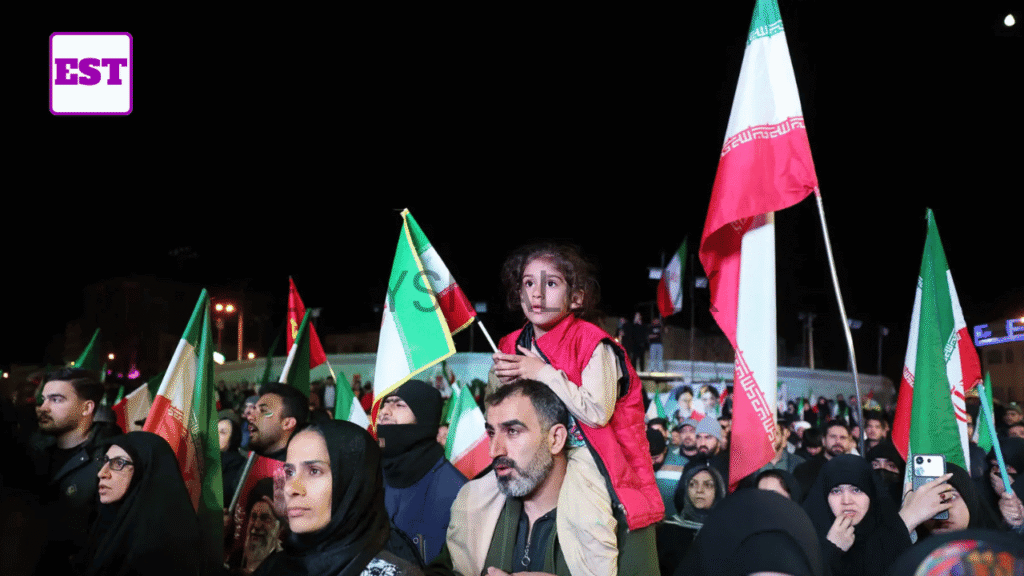
Under the agreement, the US would lift what Iran calls naval blockade on its ports and coastlines in place since April 13 and withdraw its forces from the vicinity of Iran.
Signing of the Iran US peace deal will lower the oil prices globally due to the reopening of the strait of Hormuz. It also reduces the risk of the war spreading thereby involving Israel, Hezbollah, and Gulf states. This will also enhance the recovery of Iran economy as global shipping is being stabilized.
How Pakistan Became the Unlikely Peacemaker Between America and Iran
The Iran US War began on February 28, 2026, with joint US Israeli strikes on Iranian nuclear and military targets.
Pakistan was not initially involved in the war. However, as the fighting intensified and threatened to destabilize the broader region which include Pakistan’s borders with Iran and its energy interests, Islamabad the federal capital and ninth-largest city of Pakistan stepped in as a neutral mediator to be the unlikely peacemaker between America and Iran.
Pakistan has been leading the mediation efforts between the two sides throughout the Iran US War to bring the Middle East hostilities to an end and reopen the Strait of Hormuz. Pakistani Prime Minister, Sharif also acknowledged conflicting reports about the details of the memorandum of understanding. He said that Pakistan was fully aware of an incessant misinformation campaign being waged by those who want to sabotage the peace deal.
What Iran Is Saying and Whether the Deal Will Actually Hold
The Iran supreme National Security Council and state media said the US are being forced to sign an agreement to end the war with the Islamic Republic and the axis of resistance. Iranian insist they made minimal concessions while gaining significant relief which include blockade lifted, potential sanctions easing, and assets release.
Final Thoughts on the Iran US Peace Deal
Israel was not included in negotiations over the deal. Israeli Prime Minister, Benjamin Netanyahu said on Friday that he and Trump were in full agreement that Iran must not be permitted to obtain nuclear weapons. Despite optimism from Pakistani as mediators, Israeli strikes in Lebanon and threatened to derail the agreement at the last moment.
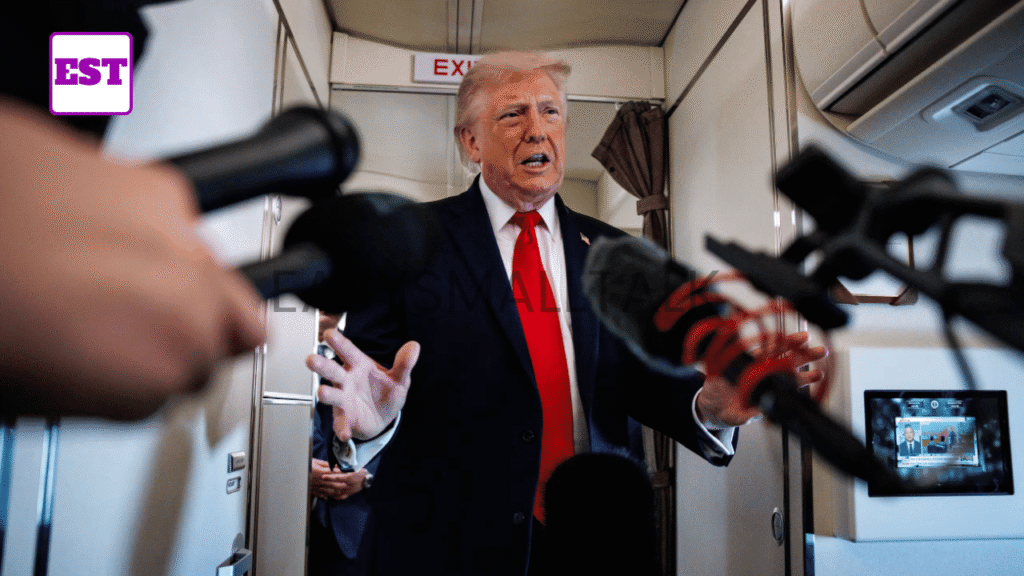
A 100-day war that killed thousands, closed the world’s most important shipping lane, pushed oil above $100 per barrel and sent food and cooking gas prices soaring across Nigeria and Africa is finally ending. Pakistan brokered what American and European diplomats could not. The signing is June 19 in Switzerland.
Do you think the Iran US peace deal will actually hold or will the fighting resume? Tell us what you think below. EasySmallTalk covers politics, entertainment, health, lifestyle, and world news every day. Explore more stories on EasySmallTalk