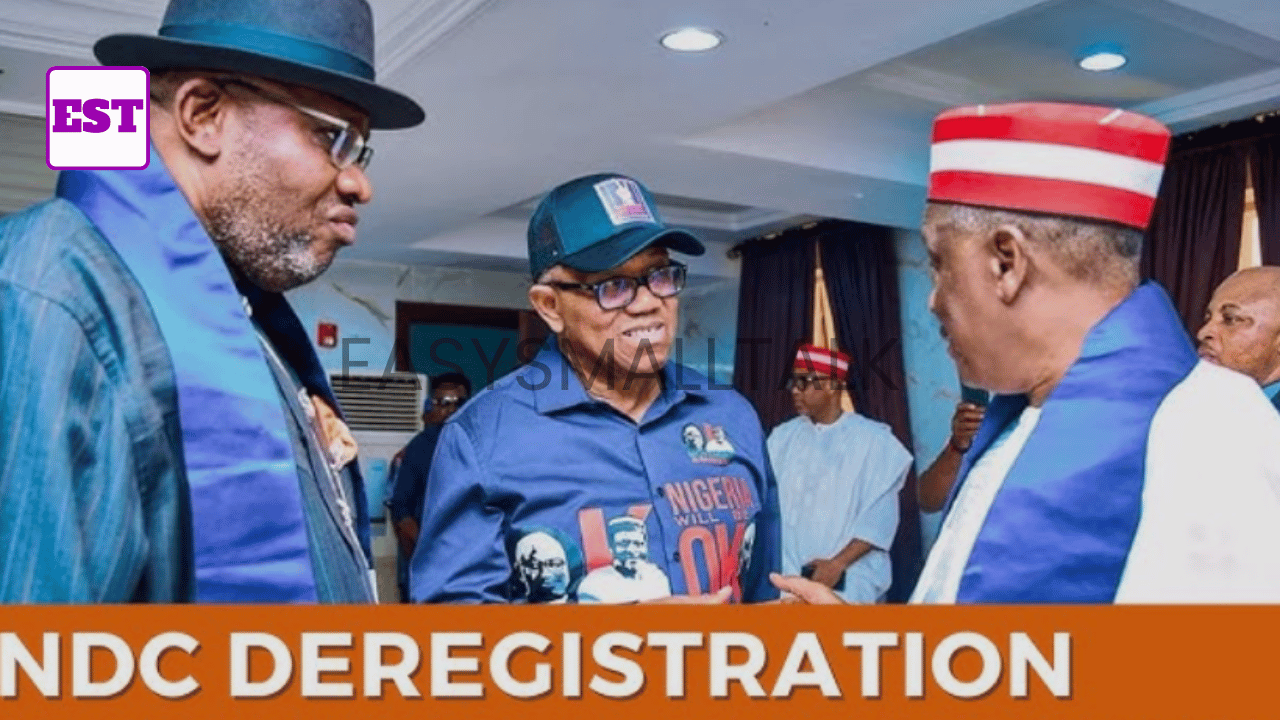
As the Nigeria 2027 general election approaches faster in less than seven months, some activists and media aide are already bringing up propaganda to sabotage the effort of some presidential candidates, NDC deregistration to be precise.
A Federal High Court in Lokoja, Kogi State set aside an earlier judgment that had directed INEC to register the Nigeria Democratic Congress (NDC) as a political party, however a separate party, the Peace Movement Party to be precise, challenged the registration process leading to NDC deregistration.
This has been widely interpreted as an attempt to knock-off Peter Obi’s 2027 presidential bid, as he is the NDC’s candidate. The Kogi court ruled that the earlier judgment was defective where parties with interest were not properly heard. The court restored the status quo for further hearing.
What the Kogi Court Actually Ruled
On Friday, June 26, 2026, Justice Isah Dashen of the Federal High Court in Lokoja, Kogi State, set aside the court’s own judgment that had ordered INEC to register the Nigeria Democratic Congress (NDC) as a political party. NDC received its certificate, held a national convention, and positioned itself for the 2027 general elections with Peter Obi as presidential candidate.
However, The Peace Movement Party (PMP) Intervenes and claimed it had first sought to register a similar ‘victory sign’ (V-sign) logo as far back as 2015.As a result of this, PMP filed an application in 2026 where they asked the same court to revisit its December 2025 decision.
After going back and forth on the matter, the Kogi court ruled that it did not declare the NDC illegal or to permanently deregistered it leading to NDC deregistration, but the court ordered the status quo restored to what it was before the December 2025 judgment. The essence of this is to give a full hearing of the substantive suit with all necessary parties properly joined.
How Obi Ended up Back on the Ballot Within Days
The NDC filed an appeal against the Kogi ruling and, according to the party’s national leader, Seriake Dickson, INEC subsequently granted the party access to its candidate portal.
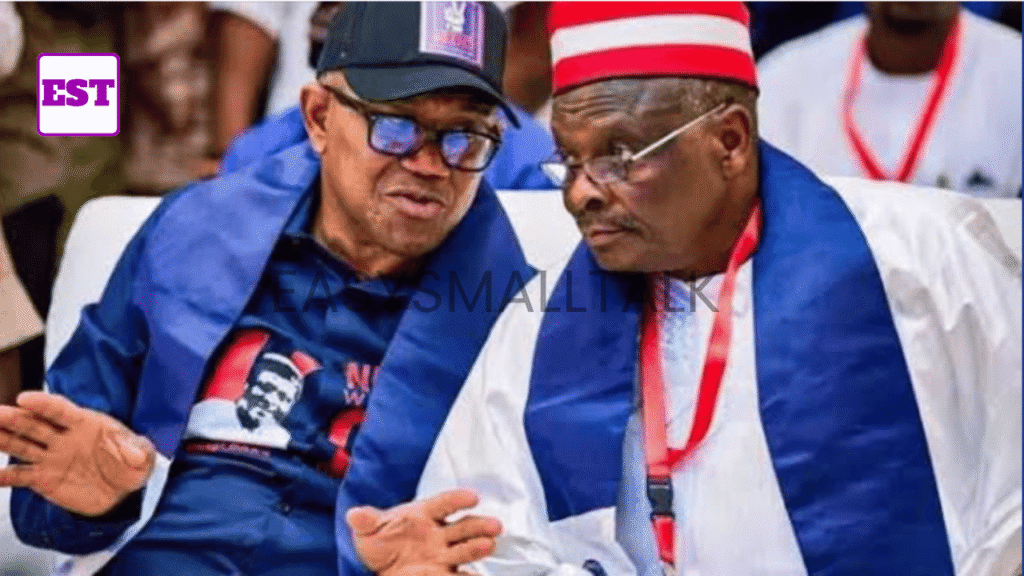
Dickson confirmed his own name and that of their presidential candidate, Peter Obi had been uploaded to the INEC system, with his running mate name, Rabiu Kwankwaso.
Obi ended back on the ballot within days as an effective appeal process was activated and served on INEC. This created legal breathing room as appeals in Nigeria often suspend lower court orders, especially when a stay is sought.
Dickson said having filed and served their appeal and the accompanying applications, the ball is now in the court of the judiciary. He also publicly confirmed the breakthrough as Obi ended back on the ballot within 72 hours of court’s ruling as a major positive step.
Final Thoughts on NDC Deregistration
NDC National Chairman, Senator Moses Cleopas Zuwoghe, argued the trial court had no authority to revisit a matter on which it had already delivered final judgment. Meanwhile, no appeal had been filed against the original December 2025 ruling within the statutory window.
He also emphasized that the Kogi court ruling does not deregister the party because the judge issued no explicit order directing INEC to remove it from the register of political parties. The ruling was more about nullifying the legal basis of the previous order than actively deregistering the party.
The NDC’s House of Representatives caucus led by Afam Ogene described the ruling as ‘judicial banditry’ and vowed to challenge it to the Supreme Court if necessary.
Do you think this court battle is genuine legal process, or political interference ahead of 2027? Tell us what you think.
EasySmallTalk covers politics, entertainment, health, lifestyle, and world news every day. Explore more stories on EasySmallTalk