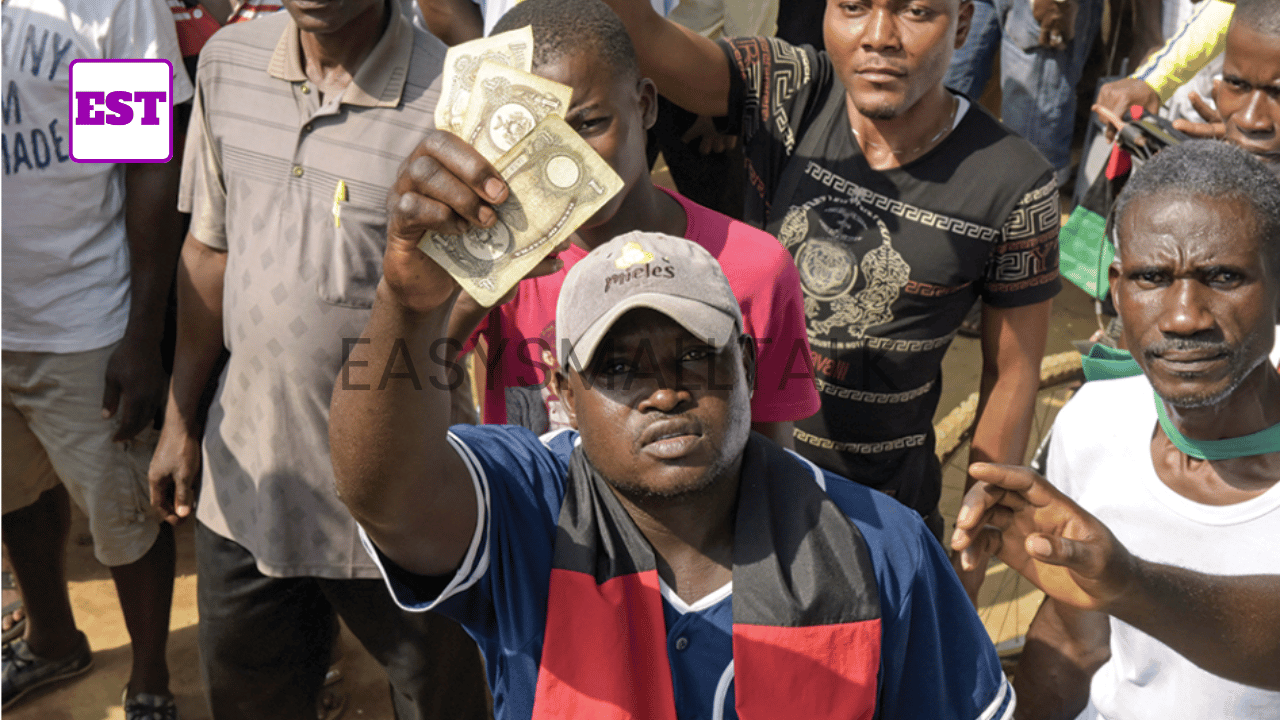
Vote buying in Nigeria elections is a common phenomenon every Nigerian who has ever voted in a local or state election recognizes immediately.
On the day of election, as early as possible, some party agents walk through the community with a bag loaded with cash. N5,000 per voter in some places while N20,000 in competitive wards and N50,000 in swing constituencies where the margin is thin. As The voter signs or thumbprints, they collect the money.
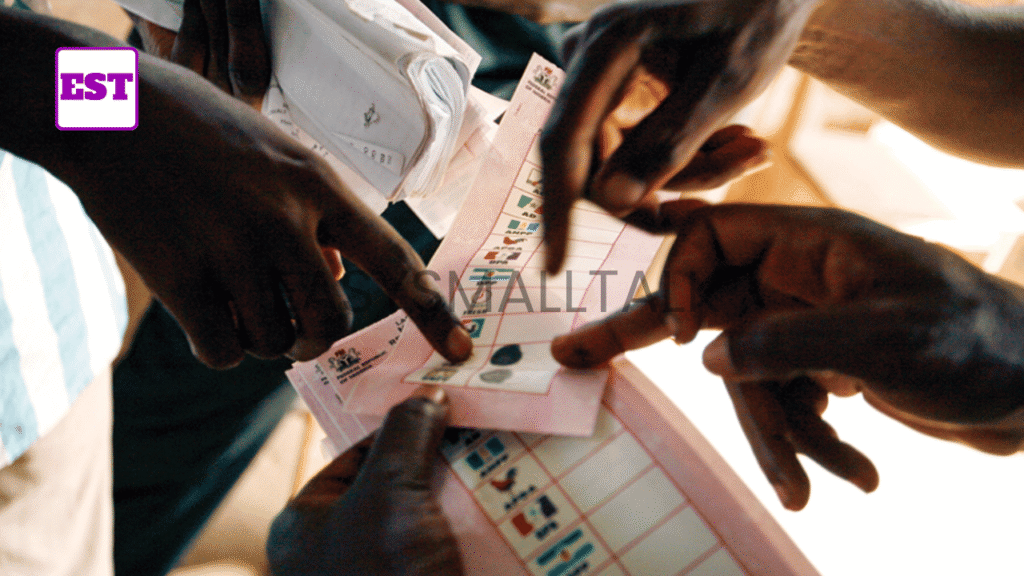
They may or may not vote for the person who paid. Even thou the party agent knows this, they still pay anyways. This is what vote buying in Nigeria elections look like.
Vote buying in Nigeria elections can take various forms which are monetary exchange or exchange for necessary goods or services. This is mostly used to compel voters to turn out to elections and vote in a particular way.
Vote Buying in Nigeria Elections Has Become the Most Expensive Line Item in Every Political Campaign Budget
The alarming rise of vote buying in Nigerian elections from Ekiti 2026 to predictions for 2027 shows how poverty fuels this democratic crisis. The EU-SDGN Election Observation Hub commended the performance of the Bimodal Voter Accreditation System BVAS during the Ekiti governorship election but the Hub expressed concern over incidents of vote-buying which were reported at multiple polling units across the state.
Nigerian elections are among the most expensive in the world relative to GDP per capita. In the 2023 general elections, total campaign spending across parties was estimated in the hundreds of billions of naira.
According to EFCC, most elected officials spend a lot of money during election period which made their first major focus as they assume office to be on how they can recover their investments rather than serving the public interest.
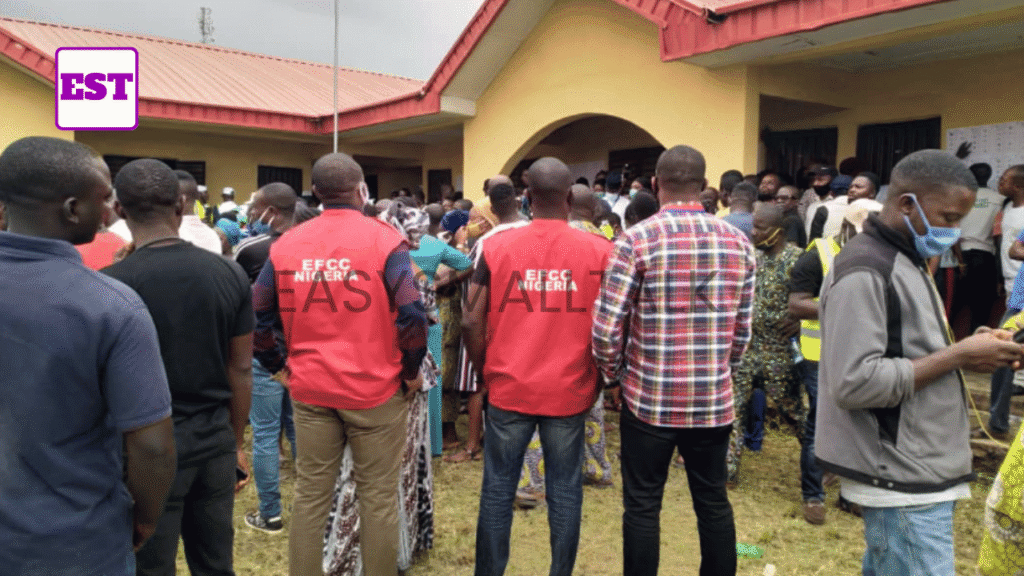
This reality is one of the biggest obstacles to issue-based politics in Nigeria. Despite electoral laws banning it as it is rarely stated openly in official documents, the enforcement is not strong enough to make it effective.
How Exactly Does Vote Buying Work in Nigeria
The presidential candidate approves a huge amount of mobilization budget extending to State-level coordinators, down to senatorial districts and local government. The community level operators including youth leaders, market women leaders, religious leaders, former cultists, or community “big boys” are recruited before the election to influence their followers.
Thereafter, Ward Collation agents and Polling Unit agents are paid in bulk is to deliver their polling unit. The Night-before election or election morning, money is moved in cash to ward leaders and later distribute money to House-to-house in strongholds, at strategic points including compounds, mosques, churches, markets, and near polling units on election day.
Who Pays for Vote Buying and Where the Money Comes From
Those who pays for vote buying in Nigeria elections are candidates themselves, party structures, political Godfathers and financiers, state governors, businessmen and contractors who are seeking government patronage after the election.
The money for vote buying is gotten majorly from campaign contributions, diversion of public funds, foreign sponsors, and private business profits.
Final Thoughts regarding Vote Buying in Nigeria Elections
Vote buying is not just a political problem, it is an economic problem. The Nigerian voter who sells their ballot for N5,000 is not making an irrational choice. In many cases they are making the most immediately rational choice available to them.
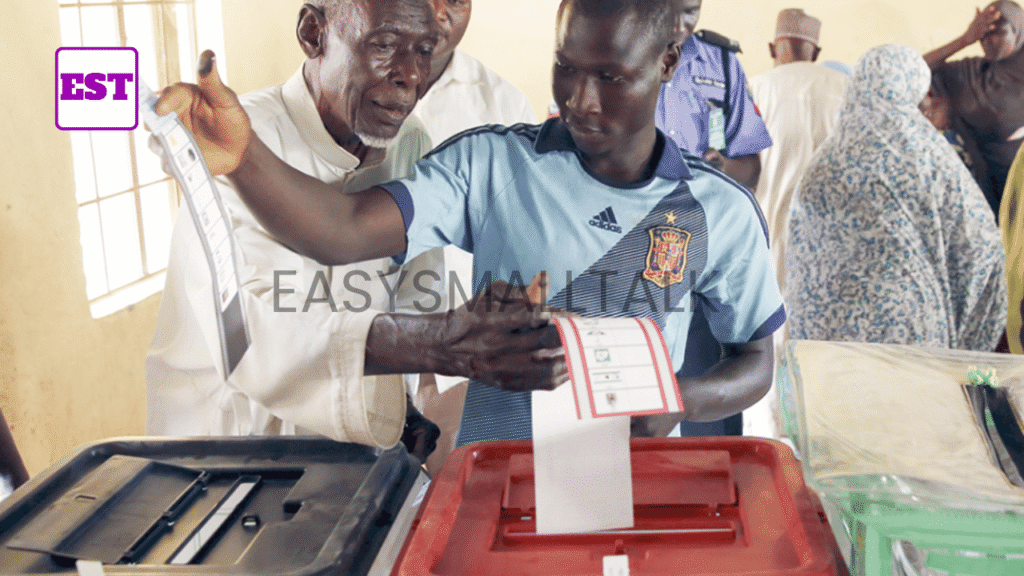
The system that produces vote buying is not the voter. It is the poverty, the institutions and the impunity that make it both profitable and consequence-free for politicians.
Have you ever been offered money to vote for a particular candidate? What did you do? Tell us anonymously below. EasySmallTalk covers politics, entertainment, health, lifestyle, and world news every day. Explore more stories on EasySmallTalk