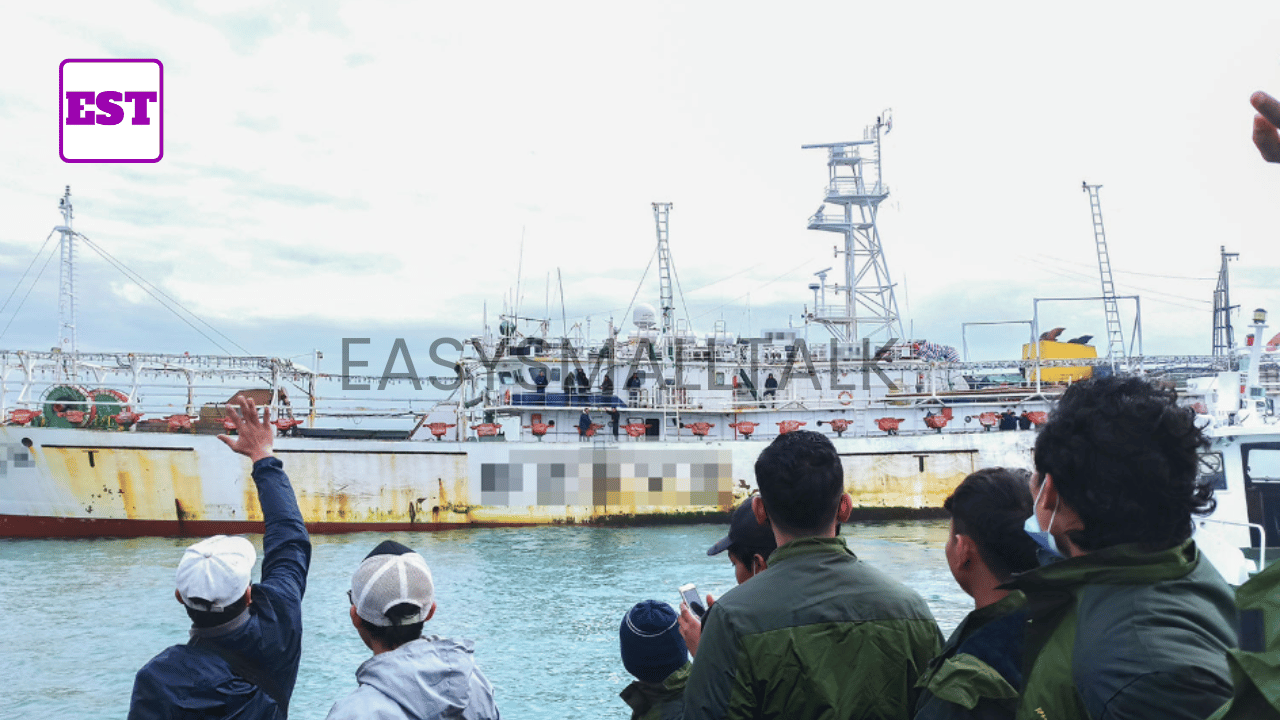
Every time someone in Nigeria, Ghana, Senegal or Somalia buys fish from a market, there is a high chance that the fish was caught illegally.
This could be through vessels that do not report their catches or through boats that enslave their workers, or through companies that pay no taxes and leave no records. This led to Mombasa declaration on illegal fishing in 2026.
The Mombasa declaration on illegal fishing is a uniform agreement signed by 15 countries during the 11th Our Ocean Conference in Mombasa, Kenya.
It shows cooperative pushback against Illegal, Unreported, and Unregulated (IUU) fishing. This is a practice that costs the global economy up to $50 billion annually and severely harms to coastal communities, food security, and marine ecosystems.
What 15 Countries Just Agreed to Do and Why It Changes Everything
Out of more than 30 countries represented in the summit, 15 countries agreed to uniformly push for greater transparency in global fisheries to fight against Illegal, Unreported, and Unregulated (IUU) fishing.
These 15 countries include Cameroon, Republic of the Congo, The Gambia, Ghana, Guinea, Liberia, Somalia, Belgium, France, South Korea, Dominican Republic, Panama, Papua New Guinea, Chile, Peru.
The essence of this agreement is to enhance transparency, strong accountability across the seafood chain, and build momentum for the Global Charter for Fisheries Transparency.
The Mombasa declaration on illegal fishing is to improve access to information on fishing vessels ownership and licensing, and to strengthen data sharing to better track fishing activities and enforce regulations.
What Is Illegal Fishing Costing Africa and the World Every Year
The estimated losses that Illegal fishing is costing the world globally is $26–50 billion annually. Illegal fishing has done more harm to the economy than good as major fishes consumed are from illegal fishing practice which is associated with forced labour, human trafficking, and environmental destruction.
There is approximately $11.2 billion annual loss in revenue from IUU fishing in Africa due to illegal fishing practice.
Countries in West Africa lose substantial revenue, jobs, and food security as foreign vessels exploit waters with weak enforcement while IUU fishing contributes roughly $246 million annually of maritime threats which cost $1.14 billion annually.
How Illegal Fishing Destroys African Coastal Communities
The demand for transparency within the global fishing industry is growing as IUU fishing practices continue to reduce fish populations as well as contribute to human rights abuses at sea thereby initiating the Mombasa declaration on illegal fishing.
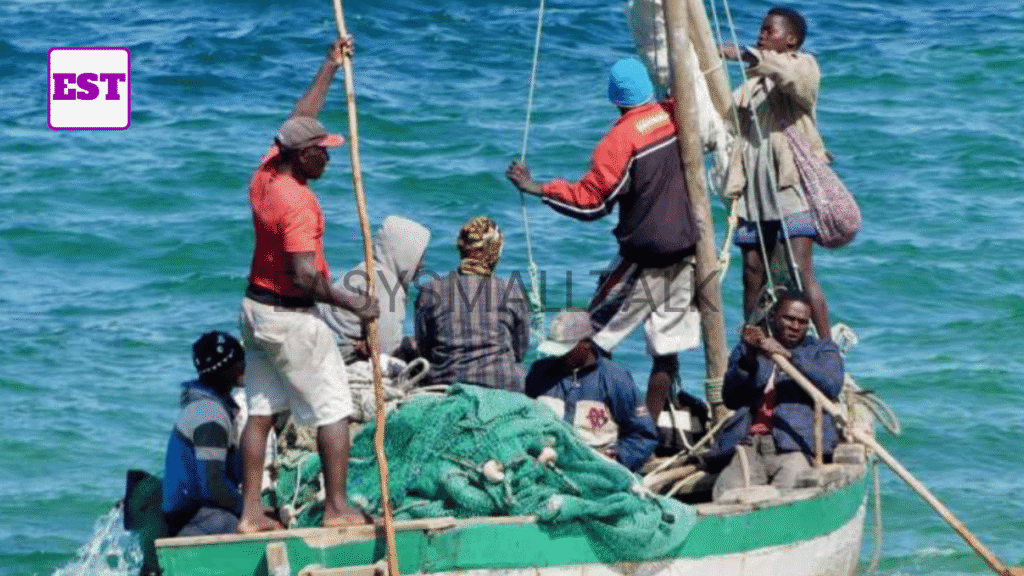
The illegal fishing practices has caused massive revenue drain, job losses, scarce of fish as a source of food, and malnutrition to the population as a result of contaminated water and animals.
Fisheries are a matter of culture and national security according to Ghana’s representative at the conference who expressed happiness as Ghana is among the first countries to sign the Mombasa Declaration on illegal fishing. This is because Mombasa declaration on illegal fishing provides a platform for greater accountability in how fishing resources are managed across the continent.
Final Thoughts on the Mombasa declaration on illegal fishing
The Mombasa Declaration on illegal fishing is a call to action for coastal and flag states on fisheries transparency with a particular focus on improving the collection and sharing of vessel information and increasing access to fisheries data.
Beth Lowell, vice president of the environmental advocacy group Oceana, said the Mombasa Declaration on Illegal Fishing shows that governments are ready to act against illegal fishing and work together for a more transparent, equitable, and sustainable ocean.
Do you think Africa is doing enough to protect its fishing communities and ocean resources? Tell us what you think below. EasySmallTalk covers politics, entertainment, health, lifestyle, and world news every day. Explore more stories on EasySmallTalk